Paintless Dent Removal vs. Traditional Dent Repair
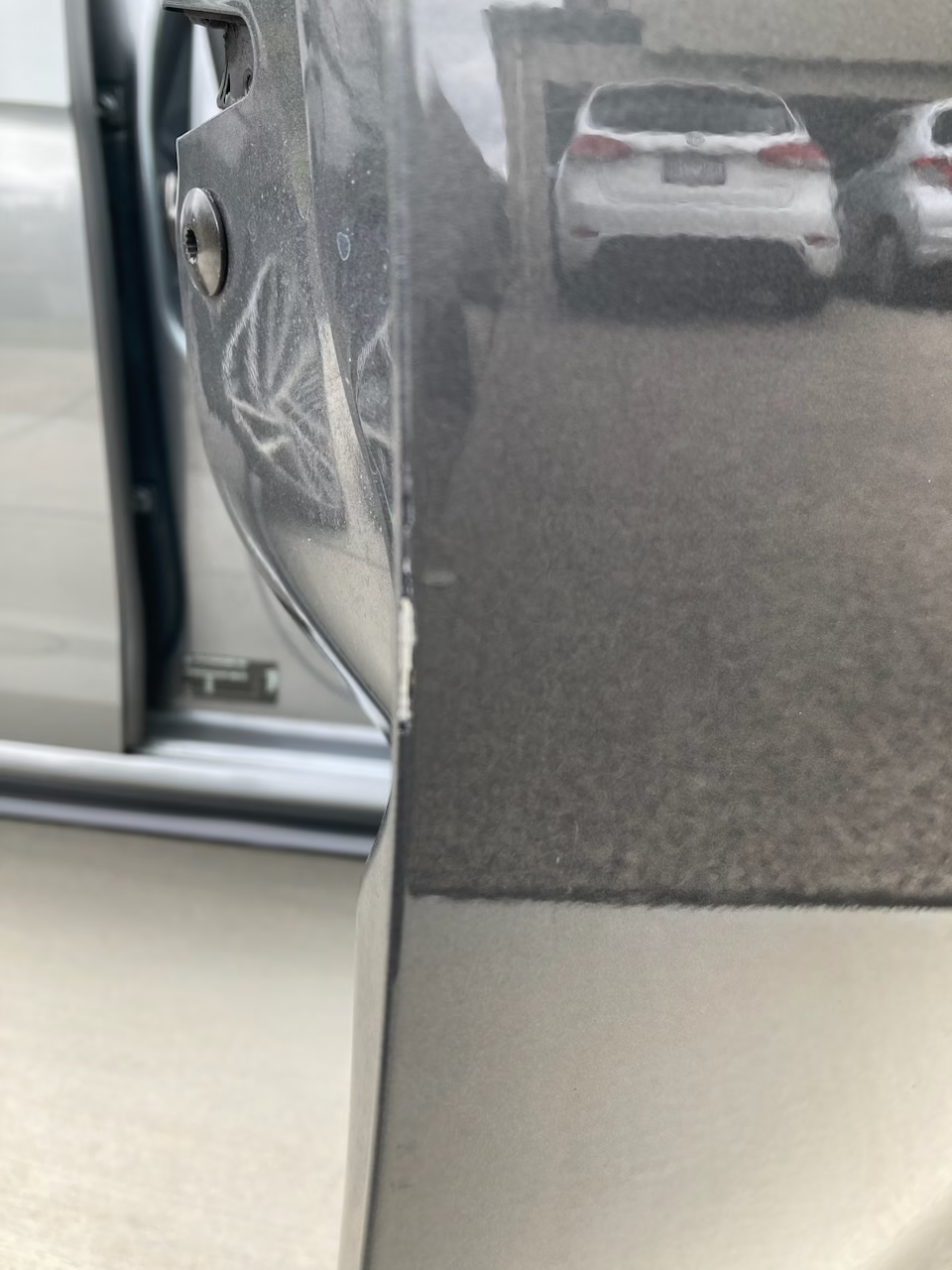
Vehicle dent repair employs two distinct methodologies: Paintless Dent Removal (PDR) and traditional body filler repair. Each approach offers specific advantages depending on damage characteristics, with significant variations in cost, timeline, and quality outcomes.
Paintless Dent Removal Overview
PDR removes dents through specialized tools that manipulate metal from panel interior surfaces, leaving factory paint completely intact. This non-invasive technique preserves original finish quality while achieving cost-effective restoration.
PDR Procedure
- Suitability Assessment: Technician evaluates damage characteristics for PDR compatibility
- Panel Access: Interior panels or lighting fixtures removal provides dent reverse access
- Specialized Lighting: Professional lighting systems reveal precise dent contours and depth
- Metal Manipulation: Specialized tools systematically restore metal to original position
- Fine Adjustment: Progressive refinement achieves complete panel smoothness
- Quality Verification: Final inspection confirms complete dent elimination
Process duration ranges from 30 minutes to several hours depending on damage extent.
Traditional Dent Repair Overview
Conventional repair employs body filler, sanding, and repainting techniques established through decades of automotive body work. This comprehensive approach addresses damage beyond PDR capabilities.
Traditional Repair Procedure
- Damage Assessment: Comprehensive evaluation determines repair extent
- Metal Straightening: Mechanical methods reduce major deformation
- Filler Application: Body filler smooths remaining irregularities
- Surface Preparation: Progressive sanding achieves proper panel contour
- Primer Application: Sealer prepares surface for paint adhesion
- Color-Matched Painting: Precise color matching ensures seamless integration
- Clear Coat Protection: Protective clear coat provides durability and finish
- Professional Blending: Polishing and blending create invisible repair transition
Process requires several hours to full day depending on severity and extent.
PDR Suitability Criteria
PDR effectively addresses specific damage types:
Ideal PDR Applications
- Door contact dents: Minor panel deformation from adjacent vehicle contact
- Hail damage: Multiple small-diameter dents from storm impacts
- Shopping cart impacts: Moderate deformation from cart contact
- Minor collision damage: Shallow dents without paint system compromise
- Shallow deformation: Metal bending without creasing or stretching
PDR Technical Requirements
- Intact paint system without cracks or chips
- Metal deformation without severe creasing or stretching
- Accessible panel interior for tool placement
- Damage location away from sharp panel edges or body lines
- Original factory paint in satisfactory condition
Traditional Repair Necessity
Certain damage characteristics necessitate conventional repair approaches:
Traditional Repair Indicators
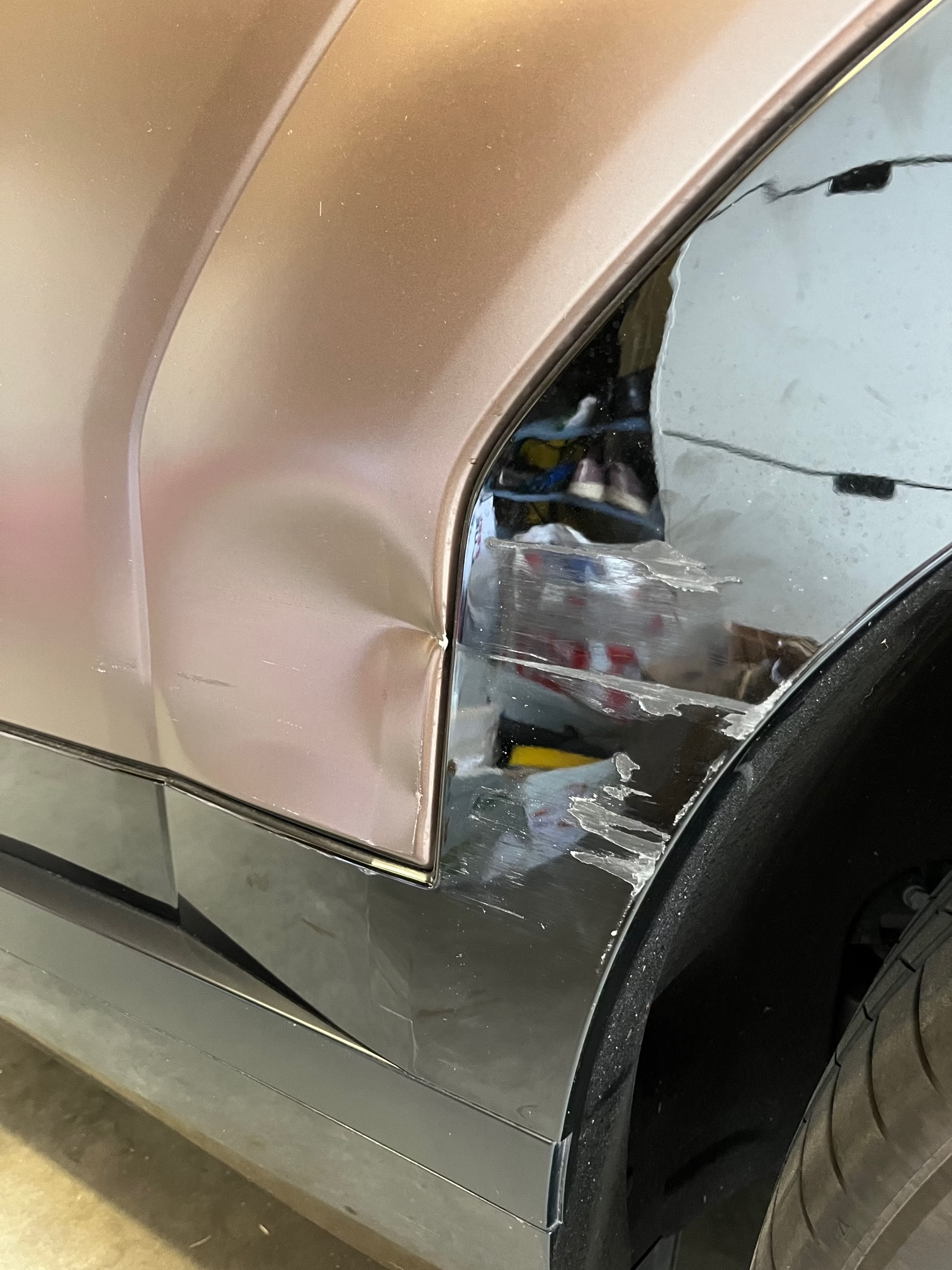
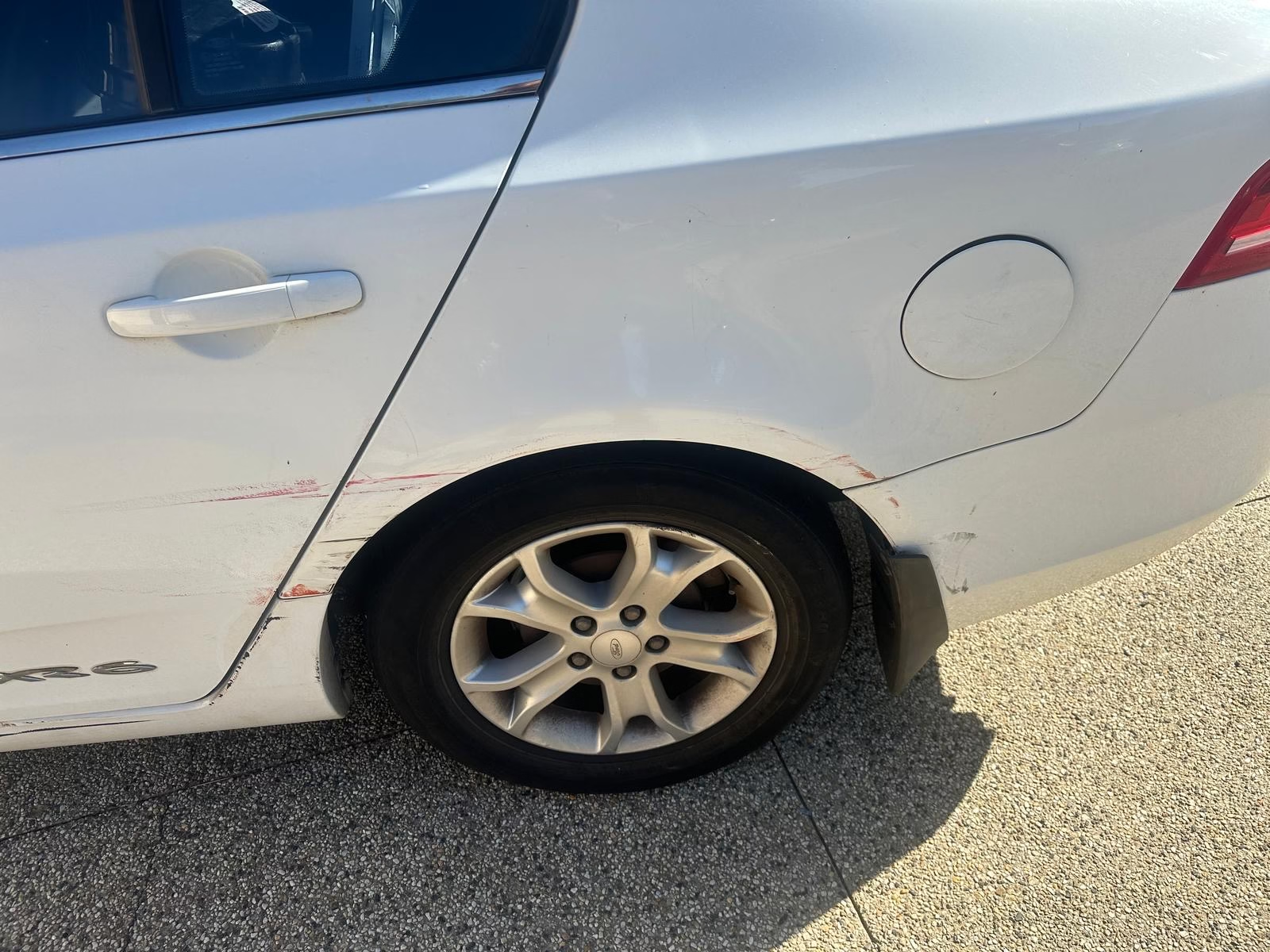
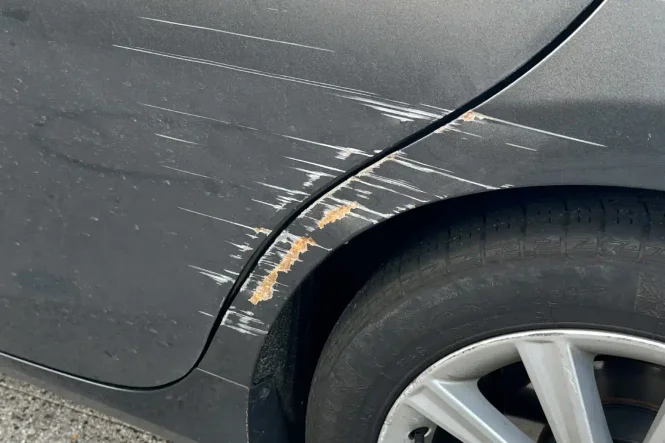
- Paint system damage: Scratches, chips, or cracked paint accompanying deformation
- Sharp metal creases: Severe creasing or stretching beyond PDR capabilities
- Extensive deformation: Depth or area exceeding PDR tool effectiveness
- Edge location: Damage on panel edges preventing tool access
- Previous filler presence: Areas containing prior body filler applications
- Corrosion: Rust requiring comprehensive treatment and prevention
Cost Analysis
PDR Pricing
- Minor door dings: $80-$150
- Medium-severity dents: $150-$300
- Larger dents: $300-$500
- Hail damage: Variable based on dent quantity and distribution
Cost efficiency derives from:
- Elimination of material costs (filler, paint, primer)
- Reduced labor duration
- Simplified process complexity
- No color-matching requirements
Traditional Repair Pricing
- Minor dents with paint damage: $200-$400
- Medium-severity dents: $400-$800
- Extensive dents: $800-$1500+
Higher costs reflect:
- Material requirements (filler, primer, paint, clear coat)
- Multi-stage process complexity
- Specialized color-matching expertise
- Paint curing time between stages
Timeline Comparison
PDR Duration
- Minor dings: 15-30 minutes
- Medium dents: 1-2 hours
- Multiple dents: 2-4 hours typically
- Same-day service standard
- Immediate vehicle availability post-repair
Traditional Repair Duration
- Minor dents: 3-5 hours (potential same-day completion)
- Medium dents: 1-2 days
- Extensive or multiple dents: 2-3 days
- Paint curing requirements necessitate extended timeframes
Quality Assessment
PDR Advantages
Professional PDR on suitable damage delivers exceptional results:
- Factory finish preservation: Original paint remains completely intact, maintaining vehicle value
- Color matching elimination: No paint application eliminates matching concerns
- Environmental benefits: No chemical usage or paint waste generation
- Warranty preservation: Manufacturer paint warranty remains valid
- Invisible restoration: Complete dent elimination without visible repair evidence
Traditional Repair Capabilities
Professional traditional repair provides comprehensive solutions:
- Extensive damage capacity: Addresses damage beyond PDR limitations
- Integrated paint repair: Simultaneously addresses scratches and chips
- Structural capability: Metal replacement available when necessary
- Durability: Professional application provides vehicle-lifetime performance
Potential considerations:
- Color matching may not achieve absolute perfection on weathered paint
- Improper filler application can develop cracks over time
- Some buyers prefer original factory paint for resale purposes
Resale Value Impact
PDR Value Preservation
- Original paint system completely intact
- No paint work documented in vehicle history
- Buyer preference for factory finish
- Particularly significant for newer vehicles
Traditional Repair Value Considerations
- Professional work maintains substantial value
- Paint work documentation may affect buyer perception
- Pre-purchase inspections may identify repairs
- Transparent disclosure recommended for sales transactions
Mobile Service Availability
Both repair methodologies available through mobile service throughout Craigieburn and Melbourne's northern suburbs.
Mobile PDR Capabilities
- Complete tool complement in service vehicle
- On-site service at customer locations
- Expedited service delivery
- Minimal customer disruption
Mobile Traditional Repair
- Paint mixing systems in service vehicle
- On-site color matching capability
- Workshop-equivalent results at customer location
Method Selection Guidelines
PDR Recommended When:
- Paint system remains intact
- Dent severity ranges shallow to moderate
- Factory paint preservation desired
- Cost efficiency and speed prioritized
- Vehicle maintains good original paint condition
Traditional Repair Recommended When:
- Paint exhibits scratching or cracking
- Metal shows severe creasing
- Damage location on panel edges
- Previous filler present in damage area
- Corrosion requires treatment
Optimal results sometimes employ both methodologies: PDR addresses dent removal first, followed by traditional paint repair if necessary. This approach minimizes filler usage while maximizing quality.
Professional Assessment Services
Melbourne Scratch Repairs provides comprehensive damage assessment determining optimal repair methodology. Professional evaluation identifies whether PDR achieves desired results or traditional repair becomes necessary.
Honest assessment ensures appropriate method selection, cost transparency, and quality outcomes. Contact Melbourne Scratch Repairs at 0493 932 068 or submit photographs for complimentary evaluation and detailed quotation.
Mobile service available throughout Craigieburn and Melbourne's northern suburbs with flexible scheduling.